Royal College of Pharmacy accused of putting “hatred before treatment” after dropping Israeli company
Neil Trainis,
14 Oct 2026 3 Min
3 Min

Neil Trainis,
14 Oct 20263 Min
Neil Trainis,
14 Oct 20263 Min


The Campaign Against Antisemitism (CAA) has accused the Royal College of Pharmacy (RCPharm) of putting “hatred before treatment” and politicising healthcare after its decision to cut ties with an Israeli drug company.
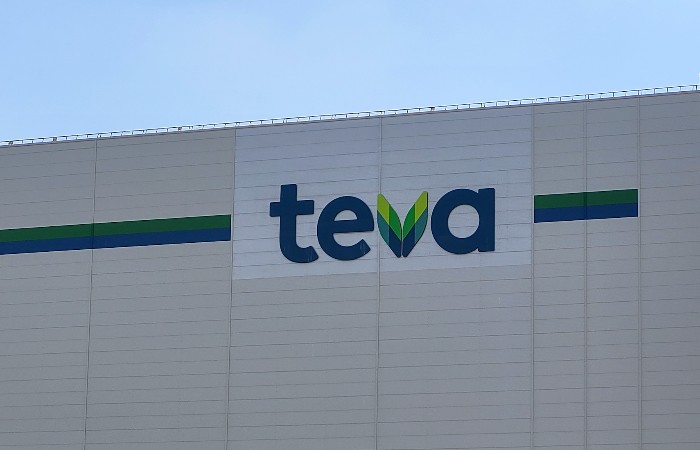
Pharmacy’s professional leadership body dropped Teva UK, the British arm of Teva Pharmaceuticals which is headquartered in Tel Aviv, as a sponsor and exhibitor at its conference next month after coming under pressure from a group of pro-Palestine campaigners.
A letter sent last month to the RCPharm’s executive team by the UK Healthcare Petitions to Royal Colleges, Health Workers 4 Palestine, Global Health BDS for Palestine, BMA Doctors Against Genocide, British Arab Nursing and Midwifery Association and Nurses for Palestine demanded the RCPharm cancel Teva UK’s sponsorship and exhibition.
The letter made a series of allegations about Teva supporting the Israeli military and committing "corporate malfeasance". Teva said it does “not make donations to political parties, political organisations or military entities in any country" and adheres to "international laws" and "local regulations".
The letter also said that in 2022, when it was known as the Royal Pharmaceutical Society, the RCPharm promised to remove directly invested Russian assets from its funds in response to the Russia-Ukraine war and should “apply the same ethical scrutiny” to Israel.
An RCPharm spokesperson told Independent Community Pharmacist (ICP): "The Royal College of Pharmacy has decided to end Teva UK’s current sponsorship and exhibition presence for our forthcoming annual conference with immediate effect. This follows a further due diligence review which has brought to our attention the possibility of certain Teva Pharmaceuticals activities which do not align with our values.”
The RCPharm did not elaborate on what "certain Teva Pharmaceuticals activities" are and if it will make public the specific findings of the "due diligence review".
The CAA described the RCPharm’s decision to drop Teva UK as “despicable” and said it would embolden people who hate Israel and endanger the lives of patients by "denying them medication". Teva UK says it supplies one in seven prescribed generics packs and one in eight prescribed packs of medicine to the UK market.
“Our representative polling shows that 84 per cent of British Jews believe that boycotts of Israeli products constitute intimidation,” the CAA told ICP.
“The absurd excuse that Teva doesn’t ‘align with’ the RCP’s ‘values’ is yet another example of the politicisation of healthcare which, as our own documentary and investigations into antisemitism in the NHS show, has become a major issue in the medical sector.
“This policy will embolden those who despise the Jewish state but it will also put all patients at risk by denying them medication. Hate in healthcare is spiralling out of control.”
Ex-RPS president: I would ask RCPharm's leadership for an explanation
Former Royal Pharmaceutical Society president Ash Soni told ICP: “My view is that I would ask the Royal College leadership their thinking behind the decision.
“I do feel it is important to recognise the dreadful circumstances being suffered by the people in Gaza and the impact on health caused by lack of access to basic health services such as the supply of medicines.
“If Teva are not supporting the active supply of medicines to this population I think this is a reasonable way to try to get them to take a more humanitarian approach to those who are in need of medicines to support their health which would therefore not be a political act but a humanitarian act.”
In a statement, Teva UK said it was “disappointed” by the RCPharm’s decision. “We…firmly believe healthcare is at its best when it remains focused on patients rather than being politicised,” Teva UK said.
“While we respectfully disagree with this decision, we will continue to act with integrity and remain focused on what matters most: helping patients access the medicines they need.
“We are humbled by the opportunity to serve more than 150 million patients every day around the world and remain steadfast in our dedication to positively impact those we serve, guided by international laws, local regulations, and our shared values.”